
"Coffea genus"
200 article(s) found

Some common nouns explain the basics of coffee.
[foreword]: when tasting individual coffee, you will see some information about the varieties in addition to the producing country, producing area, geographical and climatic conditions. Such as Arabica, Robusta, Bourbon and so on. As far as the flavor of coffee is concerned, the difference in producing areas certainly has a greater impact on the flavor of coffee. When it comes to different varieties of beans produced in the same place, the differences between varieties become intentional.

The characteristics of Katimo Coffee Cafe Coffee Cafe Coffee Coffee Cafe Coffee Cafe Cafe Coffee Cafe Coffee Coff The taste of Katimo coffee
Professional coffee knowledge exchange more coffee bean information please pay attention to the coffee workshop (Wechat official account cafe_style) Coffee tree is a shrub, botanically it belongs to the Rubiaceae family (Rubiaceae) of the genus Coffea, with more than 6000 species belonging to more than 500 genera. Although 25 to 100 of them have been questioned whether they should be included in the Coffea. Most of the raw beans with economic value belong to C.

Three native species of coffee, Liberian species, Robusta species, Arabica species.
Coffee, we generally refer to the finished product: the coffee we drink, also refers to coffee beans. Coffee belongs to the evergreen shrub of the genus Coffee of Rubiaceae. Coffee has some medicinal effects, such as waking up the brain, strengthening the stomach, stopping bleeding, dissipating heat, strengthening the body, etc., hee hee, if anyone is blinded by love, have a cup of coffee to wake up! There are about 40 species of coffee plants, but they can produce commercially valuable

Characteristics of Cadura / Kaddura Coffee beans where is Kaddura / Cadura coffee?
For more information on coffee beans, please follow Coffee Workshop (official Wechat account cafe_style) Coffee belongs to the evergreen shrub of the genus Rubiaceae. There are about 125 species under the branch of Coffea, distributed in subgenus Coffeae (25 in Africa and 55 in Madagascar, Masklin and Comoros) and 7 species in subgenus Baracoffeae. Among them are

Introduction to the subclassification of common coffee varieties in cafes
For the exchange of professional baristas, please pay attention to the coffee workshop (Wechat official account cafe_style) coffee beans are divided into three original systems: Arabica coffee beans, also known as Arabica coffee beans, robusta coffee beans, also known as Congo coffee beans, Libyan coffee beans, also known as Liberian coffee beans, there are more than a hundred common cultivated species in the world today, mostly belonging to three original systems and several hybrids.

The brewing process from a coffee bean to a cup of coffee
The brewing process from a coffee bean to a cup of coffee is also a popular story about an Arab (or Egyptian) shepherd who found that his goat became more energetic after eating coffee fruit. He reported his findings to the abbot of the local monastery. The abbot conducted experiments on monks and found that this soup could keep them awake during night prayers.

Characteristics of growth process in Arabica Coffee planting area
Professional coffee knowledge exchange more coffee bean information please follow the coffee workshop (Wechat official account cafe_style) Coffee tree is a genus of Rubiaceae in botany. The classification of coffee trees is very complex, there are many species, diversity and varieties. Different varieties of coffee beans have different tastes, but even for the same variety of coffee trees, due to different soils and different gases

Three native species of coffee, Arabica, Robusta.
Coffee, we generally refer to the finished product: the coffee we drink, also refers to coffee beans. Coffee belongs to the evergreen shrub of the genus Coffee of Rubiaceae. Coffee has some medicinal effects, such as waking up the brain, strengthening the stomach, stopping bleeding, dissipating heat, strengthening the body, etc., hee hee, if anyone is blinded by love, have a cup of coffee to wake up! There are about 40 species of coffee plants, but they can produce commercially valuable

Introduction to the flavor cooking methods of Yunnan small seed coffee beans
Professional barista communication please pay attention to the coffee workshop (Wechat official account cafe_style) [scientific name] small seed Coffea arabica L family: Rubiaceae coffee genus [alias] small seed coffee, also known as Arabian coffee is rich in protein, fat, sucrose, starch, caffeine and other substances, made into a beverage with rich aroma, delicious taste and rich nutrition.

Types and characteristics of Coffee trees knowledge about Coffee trees
A single coffee tree but in places where coffee is artificially planted, people cut off the branches at the top of the coffee tree when it grows to three meters high, so that the coffee tree does not grow too high, so that it can be picked during harvest. According to the botanical classification, the coffee tree belongs to the domain: eukaryotic domain, Eukaryote kingdom: plant kingdom, Plantae phylum: angiosperm phylum, Magnoliophyta class.

Fine Coffee Science explains in detail the three native species of coffee
Coffee, we generally refer to the finished product: the coffee we drink, also refers to coffee beans. Coffee belongs to the evergreen shrub of the genus Coffee of Rubiaceae. Coffee has some medicinal effects, such as waking up the brain, strengthening the stomach, stopping bleeding, dissipating heat, strengthening the body, etc., hee hee, if anyone is blinded by love, have a cup of coffee to wake up! There are about 40 species of coffee plants, but they can produce commercially valuable

Evaluation of Katim Flavor of Yunnan Coffee
Professional coffee knowledge exchange more coffee bean information please pay attention to the coffee workshop (Wechat official account cafe_style) Coffee tree is a shrub, botanically it belongs to the Rubiaceae family (Rubiaceae) of the genus Coffea, with more than 6000 species belonging to more than 500 genera. Although 25 to 100 of them have been questioned whether they should be included in the Coffea. Most of the raw beans with economic value belong to C. arabic
Coffee beans and coffee trees types of coffee trees
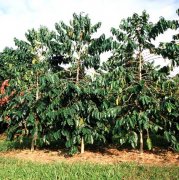
In general, coffee trees can grow to 4-5 meters high, and even 9-10 meters high. A single coffee tree but in places where coffee is artificially planted, people cut off the branches at the top of the coffee tree when it grows to three meters high, so that the coffee tree does not grow too high, so that it can be picked during harvest. According to the botanical classification, the coffee tree belongs to the domain: eukaryotic domain, Eukaryote realm:
Arabica Coffee Coffee Arabica
Many people have seen roasted coffee beans, but unless you have lived or traveled to coffee producing areas, you may not know coffee trees. The saplings are short-trimmed, but when they mature, they are 30 feet tall and covered with waxy leaves that grow symmetrically in dark green. The coffee fruit grows along the branches. After the white flowers are in full bloom and pollinated, the fruit takes a year to ripen. Fruiting is a continuous cycle, so flowers

Practical information | Coffee genealogy collation
Coffea / Coffee consists of more than 120 species, usually opposite leaves, evergreen shrubs or small trees with horizontal branches. Contains opposite species, one side is flat, and the other side has grooves (right! It's coffee beans! ). Tropical forests are the preferred habitat for most coffee plants. There are about 60 coffee plants in the world.

Introduction to the growing process of Wild Coffee, Environment, planting and Manor producing areas
The growth process of wild coffee the environment of planting manors the drinking and cultivation of Yemeni coffee dates back to 1454. The government allowed drinking and growing coffee that year, because the government may find that the exciting function of coffee is more powerful than the hypnotic function of gat.

Basic information of coffee the small seed species of coffee encyclopedia is Coffea arabica
[scientific name] the small grain species is Coffea arabica L., the medium grain species is Coffea canephora, the large grain species is Coffea liberica, which is also called Arabian species, the medium seed species is also called Gaffra species, and the large grain species are also called Liberian species. There are two common species: Arabica and Robusta. Rubiaceae (Rubiaceae), coffee genus (Coffea) [domestic]

Picking methods and treatment of Coffee Seeds picking season of Coffee beans in Yunnan
The picking methods and treatment of coffee seeds in Yunnan coffee beans picking season at first coffee was expensive in Europe, only aristocrats can drink coffee, coffee is even called black gold. Until 1690, a Dutch captain sailed to Yemen and got some coffee seedlings, which were successfully planted in Indonesia. In 1727, the wife of a diplomat in Dutch Guiana planted a few grains of coffee
Boutique coffee beans: details of Arabica and the difference between Arabica and Robusta
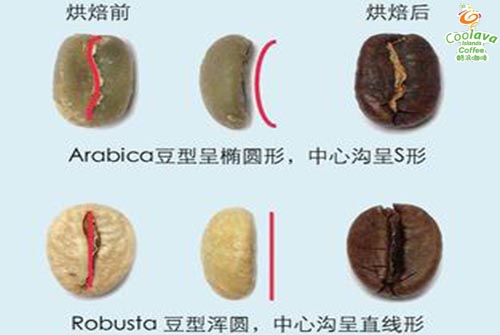
Arabica Coffee Coffee Arabica many people have seen roasted coffee beans, but unless you have lived or traveled to coffee producing areas, you may not know coffee trees. The saplings are short-trimmed, but when they mature, they are 30 feet tall and covered with waxy leaves that grow symmetrically in dark green. The coffee fruit grows along the branches. After the white flowers are in full bloom and pollinated, the fruit takes a year to ripen.
Basic information on coffee
[scientific name] the small grain species is Coffea arabica L., the medium grain species is Coffea canephora, the large grain species is Coffea liberica, which is also called Arabian species, the medium seed species is also called Gaffra species, and the large grain species are also called Liberian species. There are two common species: Arabica and Robusta. Rubiaceae (Rubiaceae), coffee genus (Coffea) [at home and abroad]